

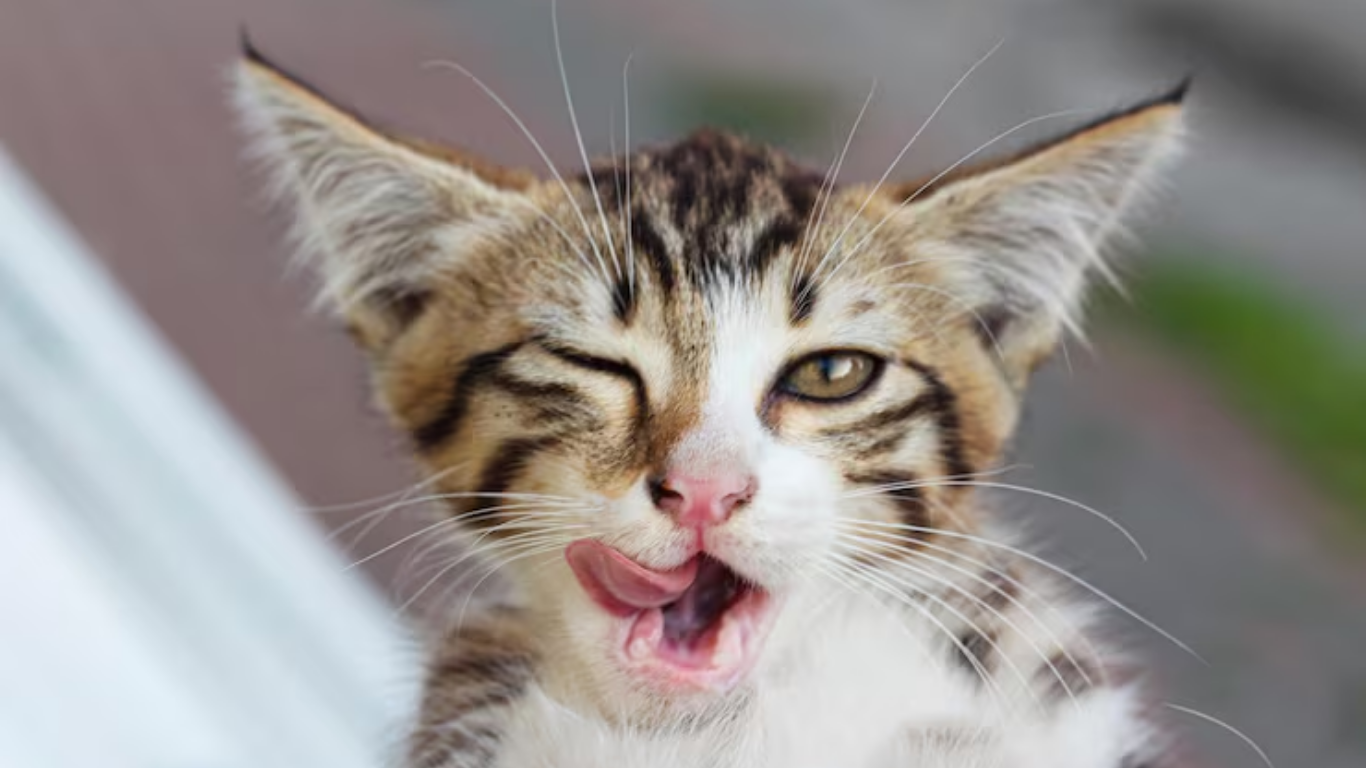
It’s a common scenario for many cat owners: you’re enjoying a quiet moment, petting your purring feline friend, only to find a small wet spot on your lap. While a little drool from a happy cat can be endearing, excessive or sudden drooling can be a cause for concern. Is it a sign of contentment, or is something more serious going on? Navigating the world of cat health can be confusing, with many myths and misconceptions floating around. That’s why it’s essential to rely on information that is accurate, trustworthy, and based on veterinary expertise. This guide is crafted with those principles in mind, providing you with a clear, fact-based understanding of Why Is My Cat Drooling. We’ll explore the various causes, from harmless behaviors to potential health issues, so you can make informed decisions about your beloved pet’s well-being.
What Does Drooling in Cats Mean?
Drooling in cats, known medically as sialorrhea or ptyalism, is the excessive flow of saliva. It’s important to distinguish between what’s normal and what might signal a problem. A thin, clear trickle of drool while your cat is purring loudly on your chest is often perfectly normal. However, if you notice thick, ropey saliva, or if the drooling is constant and heavy, it could indicate an underlying health issue.
Normal drooling is often associated with positive emotions like relaxation or excitement. Some cats simply drool when they are extremely happy and content. Conversely, abnormal drooling is frequently a symptom of a medical condition that needs attention. Understanding the context, frequency, and appearance of the drool is the first step in figuring out what it means for your cat’s health.
Common and Harmless Causes of Drooling
Before jumping to conclusions, it’s helpful to know that many instances of cat drooling are completely benign. These situations are often related to your cat’s emotional state or natural physiological responses.
Relaxation or Comfort
One of the most common reasons for a cat to drool is pure bliss. When a cat is feeling completely relaxed, happy, and secure often while being petted, kneading, or purring their facial muscles can relax to the point where saliva dribbles out. This is a sign of ultimate contentment and is not a cause for concern. Think of it as your cat’s way of showing you they feel safe and loved.
Anticipation of Food or Smells
Just like humans, cats can drool in anticipation of a delicious meal. The smell of their favorite food being prepared can trigger their salivary glands, causing them to drool. This is a normal physiological response to the expectation of eating and usually stops once the meal is finished.
Kitten Teething
If you have a young kitten between three and six months old, you might notice some drooling. During this period, kittens lose their baby teeth and their adult teeth come in. This teething process can cause discomfort and inflammation in the gums, leading to increased salivation. This type of drooling is temporary and should resolve once all their adult teeth have fully emerged.
When Drooling Is a Sign of Health Issues
While many causes of drooling are harmless, it can also be a symptom of a more serious medical problem. Paying attention to other accompanying signs is crucial for identifying when a vet visit is necessary.
Dental or Oral Problems
According to the American Veterinary Medical Association, a majority of cats over the age of three show signs of dental disease. Conditions like gingivitis, periodontitis, broken teeth, or painful ulcers in the mouth can cause significant discomfort and lead to excessive drooling. Other signs of dental issues include bad breath, difficulty eating, dropping food, and pawing at the mouth. Regular dental care is vital to prevent these problems.
Foreign Objects in the Mouth
Curious cats can sometimes get small objects lodged in their mouth or throat. A piece of a toy, a blade of grass, or even a small bone can get stuck, causing pain, gagging, and drooling as the body tries to lubricate and dislodge the item. If you suspect your cat has a foreign object in its mouth, it’s important to seek veterinary help to have it safely removed.
Toxic Ingestion
Drooling can be one of the first signs that your cat has ingested something toxic. Many common household plants and substances are poisonous to cats. A 2023 report from the ASPCA Animal Poison Control Center noted that household cleaning products and human medications remain significant sources of pet poisoning. Symptoms of poisoning can include drooling, vomiting, seizures, or lethargy.
Common household toxins for cats include:
- Plants: Lilies, tulips, daffodils, and sago palms.
- Chemicals: Antifreeze, bleach, and certain insecticides.
- Human Foods: Chocolate, onions, garlic, and grapes.
Gastrointestinal or Nausea Issues
Nausea is a frequent cause of drooling in cats. When a cat feels sick to its stomach, whether from a hairball, a gastrointestinal infection, or motion sickness during a car ride, they may drool excessively. This is often accompanied by other symptoms such as vomiting, a lack of appetite, or hiding.
Heatstroke and Overheating
Although less common in indoor cats, heatstroke is a serious and life-threatening condition that can cause drooling. Cats don’t sweat like humans and can overheat quickly in hot environments without access to shade and water. Other signs of heatstroke include rapid panting, lethargy, and a bright red tongue. If you suspect your cat has heatstroke, move them to a cool area immediately and contact a vet.
When to Take Your Cat to the Vet
Knowing when to seek professional medical advice is key. While occasional, light drooling in a happy cat is fine, certain signs warrant an immediate call to your veterinarian.
Persistent Drooling Without Clear Cause
If your cat’s drooling lasts for several hours or becomes a continuous issue without any obvious trigger like relaxation or food, it’s time to consult a vet. This persistence suggests the cause is not temporary or behavioral.
Other Symptoms Accompanying Drooling
Drooling combined with other symptoms is a major red flag. Monitor your cat for any of the following signs:
- Changes in appetite or refusal to eat or drink.
- Lethargy or unusual tiredness.
- Swelling around the face or mouth.
- Bad breath.
- Pawing at the mouth or shaking the head.
- Hiding or changes in behavior.
- Vomiting or diarrhea.
Sudden, Unexplained Drooling
A sudden onset of heavy drooling, especially in an older cat, can be a sign of a serious condition. This could indicate severe dental disease, oral cancer, kidney disease, or even certain neurological conditions. Prompt veterinary evaluation is essential in these cases.
How to Check Your Cat at Home for Drooling Causes
If you notice your cat drooling, a quick and gentle check at home can sometimes help you identify the cause. Always prioritize your cat’s comfort and safety during any inspection.
Gently Inspect Your Cat’s Mouth
Choose a time when your cat is calm. Gently lift their lips to look at their teeth and gums. Look for redness, swelling, broken teeth, or any visible objects. You can also try to get a quick look inside their mouth for any sores or masses, but do not force their mouth open if they resist, as this can cause stress and potential injury.
Monitor Behavior and Timing of Drooling
Keep a log of when the drooling occurs. Does it happen during petting sessions, before meals, or at random times? Noting the context can provide valuable clues for you and your vet. Also, observe if your cat is behaving differently, such as avoiding hard food or showing less interest in playing.
Removing Potential Toxins
Take a thorough look around your home and remove any potential toxins. Ensure all cleaning supplies are securely stored, check that your houseplants are non-toxic to cats, and keep human foods and medications out of reach. Creating a safe environment is a crucial part of responsible pet ownership.
Treatment Options and Solutions for Drooling Cats
The treatment for your cat’s drooling will depend entirely on the underlying cause. A proper diagnosis from a veterinarian is the first and most important step.
Dental Care and Oral Hygiene
If dental disease is the culprit, your vet may recommend a professional cleaning under anesthesia. To prevent future issues, establish a routine of at-home dental care. This can include brushing your cat’s teeth with a vet-approved toothpaste, providing dental treats, or using water additives that help reduce plaque.
Hydration and Comfort
If your cat is drooling due to nausea or recovery from an illness, ensuring they stay hydrated is important. Provide fresh, clean water and a comfortable, quiet place for them to rest. Your vet might also recommend a temporary bland diet to soothe their stomach.
Vet Prescribed Medications
For issues like infections, pain, or inflammation, your vet may prescribe medications. This could include antibiotics, anti-inflammatory drugs, or pain relievers. Always follow the prescribed dosage and administration instructions carefully.
Preventing and Treating Poisoning
If you suspect your cat has ingested a poison, contact your veterinarian or an animal poison control center immediately. Do not induce vomiting unless specifically instructed to do so. In case of emergency, having these numbers readily available is crucial:
- ASPCA Animal Poison Control Center: (888) 426-4435
- Pet Poison Helpline: (855) 764-7661
How to Prevent Drooling in Cats
While not all causes of drooling can be prevented, proactive care can significantly reduce the risk of many underlying health problems.
Regular Dental Checkups and Teeth Brushing
Schedule regular veterinary checkups that include a thorough dental examination. In between visits, brushing your cat’s teeth several times a week is the gold standard for preventing dental disease.
Cat-Proofing the Home
Maintain a safe environment for your cat. Keep toxic plants out of your home, store chemicals and medications securely, and ensure small objects that could be swallowed are not left lying around.
Reducing Stress
For cats that drool due to stress or anxiety, creating a calm and predictable environment can help. Provide plenty of hiding spots, use pheromone diffusers like Feliway, and ensure they have a consistent daily routine.
You should aslo check: “cat declawing near me“
Your Partner in Your Cat’s Health
Observing your cat drooling can be unsettling, but understanding the potential causes is the first step toward addressing the issue. While drooling is often harmless, it should never be ignored when it is sudden, excessive, or accompanied by other signs of illness. By being a vigilant and proactive owner, you can ensure your feline companion receives the care they need to live a long, healthy, and happy life. If you have any concerns about your cat’s health, a visit to your veterinarian is always the best course of action.
Frequently Asked Questions
What is normal drooling for a cat?
Normal drooling in cats is typically light, clear, and associated with specific situations like extreme relaxation (purring and petting), happiness, or anticipation of food. Some cats naturally drool when content. As long as the drooling is not excessive, constant, or accompanied by other symptoms, it’s usually not a cause for concern.
Can I treat my cat’s drool at home?
Whether you can treat drooling at home depends on the cause. If it’s due to stress, you can create a calmer environment. If it’s related to food anticipation, no treatment is needed. However, if the drooling is caused by a medical issue like dental disease, poisoning, or a foreign object, it requires veterinary intervention. Do not give your cat any medications without consulting a vet first.
How do I prevent dental issues that cause drooling?
Preventing dental issues is key to avoiding one of the most common causes of abnormal drooling. The best prevention method is regular teeth brushing at home with a cat-specific toothpaste. Supplement this with annual dental checkups by your vet, providing safe dental treats, and considering a dental-formulated diet if recommended.
When should I call a vet for drooling?
You should call a vet if you notice any of the following:
- The drooling is sudden, heavy, and unexplained.
- It is accompanied by other symptoms like loss of appetite, lethargy, vomiting, bad breath, or pawing at the mouth.
- You suspect your cat has ingested a toxin or has a foreign object in its mouth.
- The drooling is persistent and continues for several hours without an obvious benign cause.