

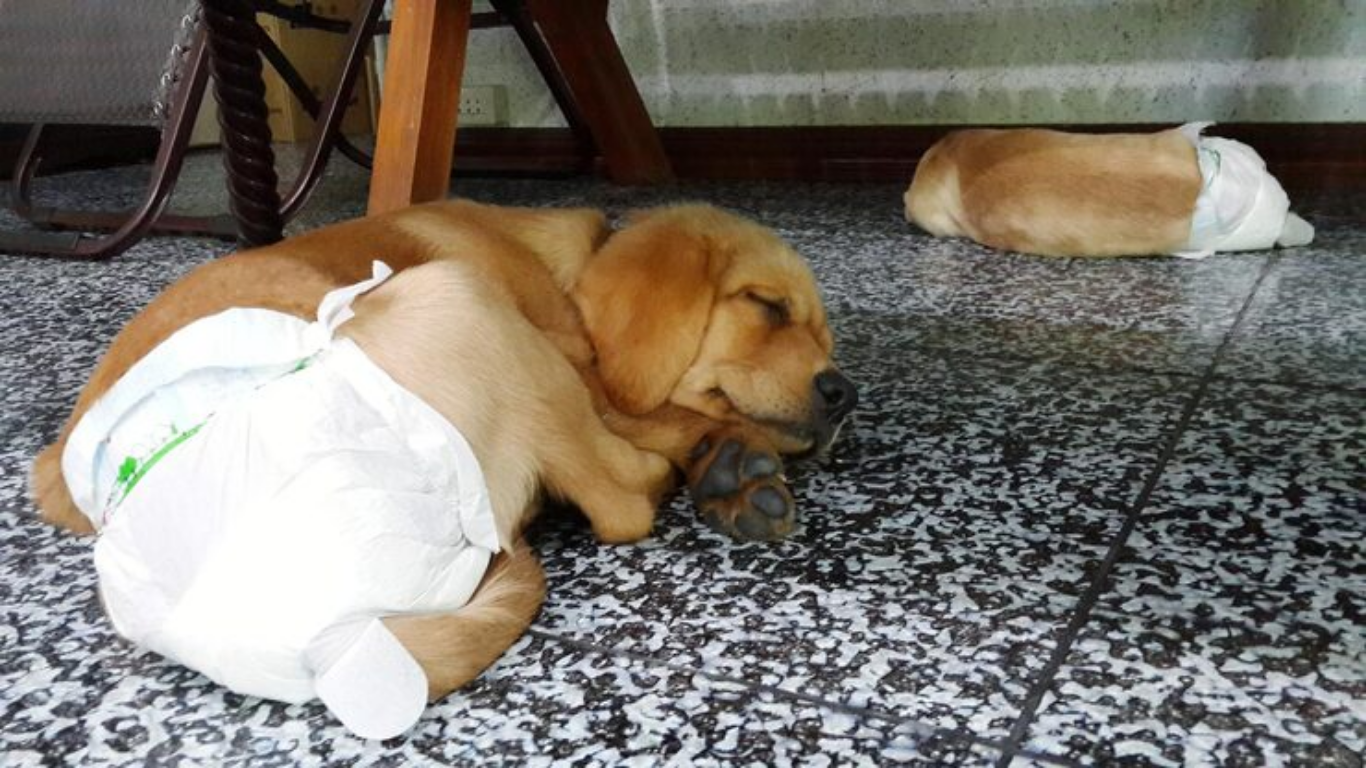
Finding a mess from your dog is an unpleasant but familiar experience for many pet owners. Dog has diarrhea is one of the most common reasons for a vet visit, signaling that something is amiss in your furry friend’s digestive system. While often a minor issue that resolves on its own, it can sometimes be a sign of a more serious underlying health problem.
Understanding the potential causes, recognizing when to worry, and knowing how to respond can make all the difference in your dog’s comfort and health. This guide will walk you through everything you need to know about dog diarrhea, from common dietary triggers to effective home remedies and critical signs that warrant a call to your veterinarian. By the end, you’ll feel more prepared to handle this common canine ailment.
What Causes Diarrhea in Dogs?
Diarrhea is a symptom, not a disease itself. It can be triggered by a wide range of factors, from simple dietary mistakes to serious illnesses. Identifying the cause is the first step toward helping your dog feel better.
Dietary Causes
What your dog eats is often the primary suspect behind a bout of diarrhea. The digestive system of a dog can be sensitive to sudden changes or inappropriate foods. A common trigger is a dog has diarrhea from a diet change. Switching your dog’s food too quickly without a gradual transition period can upset their stomach.
Another frequent cause is dietary indiscretion, which is a nice way of saying your dog ate something they shouldn’t have. This could be anything from raiding the trash to eating table scraps. This situation, often termed dog eating garbage diarrhea, introduces bacteria and rich foods their system isn’t prepared to handle. Furthermore, some dogs have a dog food allergy or intolerance to specific ingredients like beef, dairy, or wheat, which can lead to chronic digestive upset.
Infections and Parasites
Infections are another major cause of diarrhea in dogs. These can be bacterial, viral, or parasitic. Common intestinal parasites like Giardia, roundworms, hookworms, and whipworms can irritate the digestive tract and cause loose stools. You might notice dog diarrhea from parasites if your pet has been exposed to contaminated water or feces.
Viral infections, such as the highly contagious parvovirus, are particularly dangerous, especially for puppies. Parvovirus can cause severe, often bloody, diarrhea and requires immediate veterinary attention. Bacterial infections from Salmonella or E. coli can also lead to significant gastrointestinal distress.
Stress and Anxiety
Just like humans, dogs can experience physical symptoms from emotional distress. Stress diarrhea in dogs is a real phenomenon. Changes in their environment, such as moving to a new home, the arrival of a new pet or baby, or even a trip to the vet can trigger anxiety. Separation anxiety is another common reason for dog diarrhea from anxiety, as the stress of being left alone affects their digestive system.
Ingesting Toxic Substances
Curiosity can sometimes lead dogs into dangerous situations. Ingesting toxic substances is a serious cause of diarrhea. Many common household plants, chemicals, and human foods are poisonous to dogs. For example, chocolate, grapes, onions, and certain artificial sweeteners like xylitol can cause severe gastrointestinal upset and even organ failure. If you suspect dog poison diarrhea from a toxic substance, it’s a medical emergency.
Symptoms of Dog Diarrhea You Shouldn’t Ignore
While mild diarrhea might resolve in a day or two, certain accompanying symptoms are red flags that require immediate veterinary attention.
Bloody or Black Tarry Stools
A bloody stool in a dog is always a cause for concern. Bright red blood, known as hematochezia, usually indicates irritation or bleeding in the lower digestive tract, such as the colon. On the other hand, black, tarry stools, called melena, suggest bleeding higher up in the digestive system, like the stomach or small intestine. Both types of dog has diarrhea with blood signals, a potentially serious condition that needs a vet’s diagnosis.
Vomiting and Diarrhea Together
When a dog is vomiting and has diarrhea simultaneously, it can lead to rapid fluid loss and dehydration. This combination can be a symptom of various issues, from dietary indiscretion to more severe problems like pancreatitis, intestinal blockages, or infections. Diarrhea and vomiting can lead to dehydration in dogs very quickly, making it a situation that should be monitored closely.
Signs of Dehydration
Dehydration is a significant risk with diarrhea, as the body loses fluids and electrolytes. Dehydration in dogs with diarrhea can become dangerous if not addressed. Signs include sunken eyes, dry gums, lethargy, and a loss of skin elasticity. You can check for this by gently lifting the skin on your dog’s back; if it doesn’t snap back into place quickly, your dog may be dehydrated. Knowing how to hydrate a dog with diarrhea is crucial, but severe cases require veterinary intervention for intravenous fluids.
Home Remedies for Dog has Diarrhea
For mild cases of diarrhea without other alarming symptoms, you can often manage the issue at home with a few simple steps.
Fasting for 12-24 Hours
One of the most effective ways to treat dog has diarrhea at home is to implement a short fast. Withholding food for 12 to 24 hours gives your dog’s inflamed digestive system a chance to rest and recover. This is a common approach for dog fasting for diarrhea. Always ensure your dog has constant access to fresh, clean water during this time to prevent dehydration. This remedy is generally safe for healthy adult dogs, but you should consult a vet before fasting puppies, senior dogs, or dogs with other health conditions.
Reintroducing Food: What to Feed Your Dog
After the fasting period, reintroduce food slowly with a bland diet. This diet should be easy to digest. Common options for a dog bland diet for diarrhea include boiled, boneless, skinless chicken breast mixed with plain white rice. Canned pumpkin (pure pumpkin, not pie filling) is another excellent choice as its fiber content can help firm up stools. When considering what to feed a dog with diarrhea, start with small, frequent meals and gradually transition back to their regular food over several days once their stool returns to normal.
Probiotics for Dogs
Probiotics can be very beneficial for restoring the balance of good bacteria in your dog’s gut. Using probiotics for dogs with diarrhea can help resolve the current issue and prevent future episodes. These beneficial bacteria support digestive health and can be found in supplements specifically formulated for canines. While you can find dog-specific probiotics at pet stores, it’s a good idea to ask your vet for a recommendation on dog diarrhea treatment with probiotics.
When to Call the Vet for Your Dog’s Diarrhea
While home care is often sufficient, there are definite times when a vet visit is necessary.
Persistent Diarrhea Beyond 48 Hours
If your dog’s diarrhea lasts for more than two days, it’s time to seek professional help. Prolonged diarrhea can lead to severe dehydration and may indicate a more complex problem that home remedies can’t solve. A dog has diarrhea that lasts too long requires a dog diarrhea vet consultation to get to the root of the problem.
Diarrhea with Additional Symptoms
The presence of other symptoms alongside diarrhea is a major red flag. If you notice your dog with diarrhea, vomiting, and lethargy, it could point to a serious condition like poisoning, a viral infection, or an intestinal obstruction. A dog with diarrhea and tiredness is not just “feeling down”; it’s a sign that their body is fighting something significant, and they need medical attention.
Older Dogs and Puppies with Diarrhea
Age is a critical factor. Puppies and senior dogs are more vulnerable to the effects of diarrhea, especially dehydration. Puppy diarrhea causes can range from parasites to serious viral infections like parvovirus, which can be fatal. Older dog diarrhea treatment needs to be handled carefully, as their immune systems may be weaker. For these age groups, it’s always best to err on the side of caution and contact your vet sooner rather than later.
How Long Does Dog Diarrhea Last?
The duration of your dog’s diarrhea can tell you a lot about its severity.
Duration of Mild vs. Severe Cases
An acute, mild case of diarrhea, often caused by a minor dietary issue, usually resolves within 24 to 48 hours with home care. However, if the diarrhea is severe, contains blood, or is accompanied by other symptoms, it will likely last longer and require a vet’s care. Understanding how long dog has diarrhea lasts helps you know when to be patient and when to act.
What to Do if Diarrhea Keeps Coming Back
If your dog experiences recurring dog diarrhea, it’s classified as chronic. Chronic diarrhea in dogs can be caused by food allergies, inflammatory bowel disease (IBD), certain organ dysfunctions, or persistent parasitic infections. This requires a thorough diagnostic workup by a veterinarian to identify the underlying cause and create a long-term management plan.
Also Check: “puppy vaccination schedule“
Preventing Diarrhea in Dogs: Tips for Long-Term Health
Prevention is always better than cure. You can take several steps to promote your dog’s long-term digestive health.
Proper Diet and Regular Feeding Schedule
Providing the best diet to prevent dog diarrhea is foundational. Feed your dog high-quality, balanced dog food and maintain a consistent dog feeding schedule. Avoid giving them table scraps or human foods that can be too rich or toxic. If you need to change their food, do so gradually over a week to allow their system to adjust.
Preventing Exposure to Toxins
Dog-proof your home to prevent accidental ingestion of harmful substances. Keep chemicals, medications, and toxic plants out of reach. Securing your garbage cans is also a simple but effective way to practice dog toxins prevention and avoid a trip to the emergency vet for food poisoning.
Regular Vet Check-ups and Parasite Prevention
Routine wellness exams allow your vet to monitor your dog’s health and catch potential problems early. Consistent dog parasite prevention through monthly preventatives is essential for avoiding intestinal worms that cause diarrhea. Regular vet check-ups for dogs are a cornerstone of responsible pet ownership and a key part of keeping their digestive system healthy.
Taking Care of Your Dog During Diarrhea
Seeing your dog unwell is stressful, but most cases of diarrhea are manageable. The key is to monitor them closely, provide supportive care like a bland diet, and ensure they stay hydrated. Recognize the signs that point to a more serious problem and don’t hesitate to call your vet. With your careful attention and your vet’s guidance, your dog will be back to their happy, energetic self in no time.
Frequently Asked Questions
Is diarrhea in dogs contagious?
It depends on the cause. If the diarrhea is caused by stress or a dietary issue, it is not contagious. However, if it’s caused by a viral infection (like parvovirus), bacteria (like Salmonella), or parasites (like Giardia), it can be highly contagious to other dogs. It’s always best to isolate a dog with diarrhea from other pets and practice good hygiene, like washing your hands thoroughly after cleaning up, until a cause is determined.
Can I give my dog human diarrhea medicine?
You should never give your dog human medications for diarrhea, such as Imodium® (loperamide) or Pepto-Bismol, without explicit instructions from your veterinarian. These drugs can be toxic to dogs, especially certain breeds, or can mask a more serious problem. The dosage for dogs is very different from that for humans, and improper use can cause significant harm. Always consult your vet for safe and effective treatment options.
How can I tell if my dog’s diarrhea is caused by food or infection?
Distinguishing between a food-related issue and an infection can be difficult without a vet’s help. Generally, diarrhea from a dietary indiscretion might be a single, short-lived event. Diarrhea from an infection is often more severe, may contain blood or mucus, and is frequently accompanied by other symptoms like vomiting, fever, or lethargy. A veterinarian can perform a fecal test and other diagnostics to pinpoint the exact cause and recommend the appropriate treatment.