

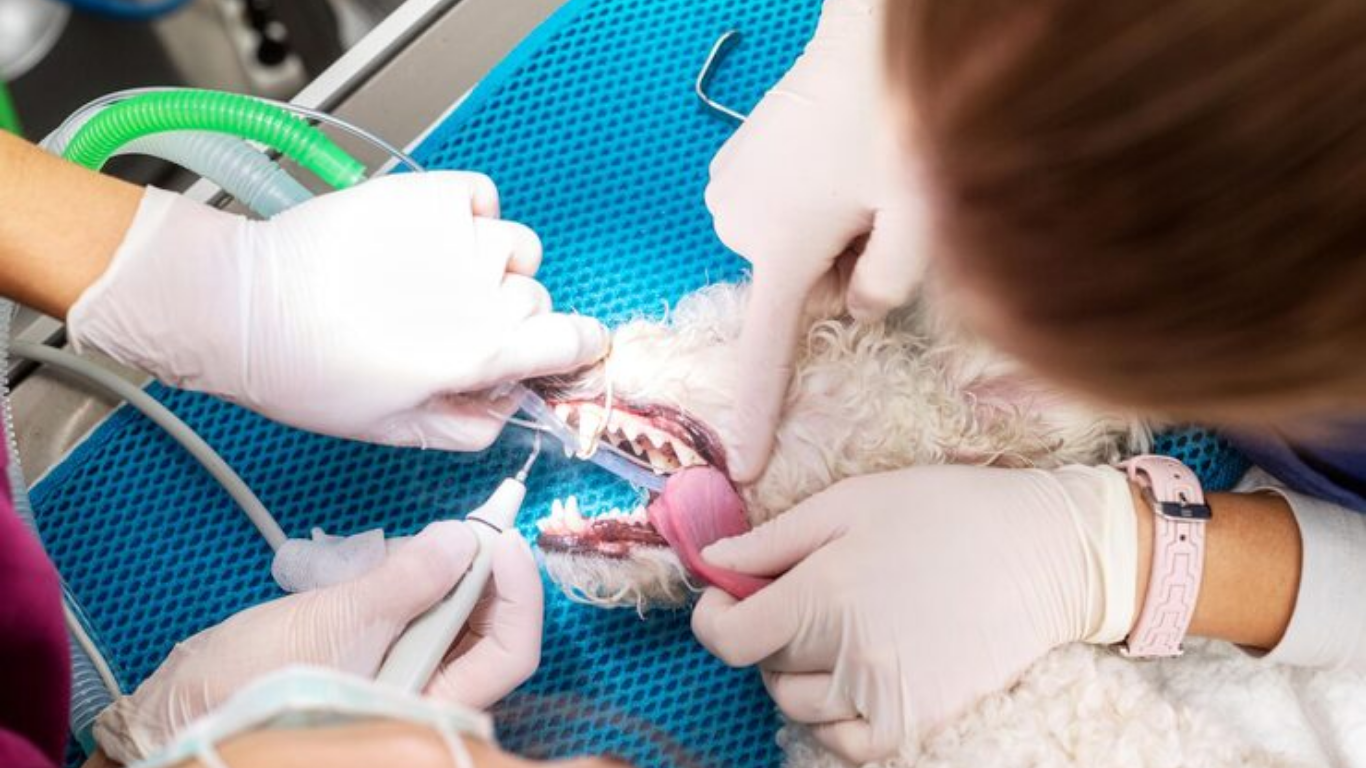
Your cat’s dental health is a cornerstone of their overall well-being. Just like humans, cats can suffer from painful dental issues like gingivitis, tooth decay, and fractures. These problems often go unnoticed until they become severe. A cat dental chart is a critical tool used by veterinarians and increasingly by diligent pet owners to monitor, track, and maintain feline oral hygiene.
This guide will walk you through everything you need to know about the feline dental chart. We’ll explore its purpose, break down the anatomy of your cat’s mouth, and teach you how to read the chart like a professional. By understanding this essential tool, you can take a more active role in your cat’s health, ensuring they live a long, comfortable, and happy life. The information presented here is based on expert veterinary knowledge and follows guidelines from trusted pet care organizations to provide you with reliable and actionable advice.
What is a Cat Dental Chart?
A cat dental chart is a specialized diagram of a cat’s mouth that veterinarians use to record the condition of each individual tooth. Think of it as your cat’s dental report card. During a dental examination, a vet will note observations for every tooth, creating a detailed and permanent record of your cat’s oral health.
This chart is fundamental for tracking dental health over time. It allows veterinarians to identify emerging problems like periodontal disease, tooth resorption, or fractures before they cause significant pain or require complex procedures. Authoritative bodies like the American Veterinary Dental College (AVDC) standardize the notations used, ensuring that any vet can understand a cat’s dental history at a glance. For pet owners, it provides a clear visual summary of their cat’s dental status and helps them understand the necessity of recommended treatments.
The Anatomy of a Cat’s Teeth
To understand a dental chart, you first need to know about the feline dental anatomy. Cats are carnivores, and their teeth are perfectly designed for hunting and eating meat. They have four distinct types of teeth, each with a specific function.
An adult cat has 30 permanent teeth. The feline dental formula for an adult cat is 2(I3/3, C1/1, P3/2, M1/1) = 30. This formula breaks down the types and numbers of teeth in one half of the mouth (top/bottom), which is then multiplied by two. Here’s what that means:
- Incisors (I): These are the small teeth at the very front of the mouth. Cats have six on the top and six on the bottom, used for grooming and nibbling.
- Canines (C): The long, sharp “fangs.” Cats have two on the top and two on the bottom. These are used for grasping and tearing prey.
- Premolars (P): Located behind the canines, these teeth are used for shearing and cutting food. Adult cats have three on each side of the upper jaw and two on each side of the lower jaw.
- Molars (M): The teeth at the very back of the mouth, used for grinding. Cats have one molar on each side of both the upper and lower jaws.
A cat teeth diagram or chart visually maps these teeth, making it easy to identify each one by its unique number and location.
How to Read a Cat Dental Chart
Reading a cat dental chart might seem complex at first, but it follows a logical system. The most widely used method is the Triadan system, which assigns a three-digit number to every tooth. The first digit indicates the quadrant of the mouth:
- 100s: Upper right quadrant
- 200s: Upper left quadrant
- 300s: Lower left quadrant
- 400s: Lower right quadrant
The next two digits identify the specific tooth within that quadrant, starting from the midline and moving toward the back of the mouth. For example, the upper right canine tooth is always 104, and the lower left first molar is 309.
Veterinarians use a set of standard notations to mark the chart. Here are some common ones you might see:
- X: Indicates a missing tooth.
- O (circled): Denotes a tooth that needs to be extracted.
- F or FX: Represents a fractured tooth.
- TR or RL: Signifies a tooth resorption lesion, a common and painful condition where the tooth structure breaks down.
- P1, P2, P3, P4: Indicates the stage of periodontal disease, with P4 being the most severe.
- GR: Gingival recession, where the gums have pulled away from the teeth.
These visual cues and notations create a comprehensive picture of your cat’s oral health, helping your vet make informed treatment decisions.
Common Dental Issues in Cats and How They Show on a Dental Chart
Several dental problems are prevalent in cats. A dental chart provides a standardized way to document these issues.
Periodontal Disease: This is the most common dental issue in cats over three years of age. It starts as gingivitis (gum inflammation) and can progress to periodontitis, which affects the bone supporting the teeth. On a chart, this is often noted with a “P” stage and may include drawings to show pocket depth around the tooth.
Tooth Resorption (TR): Feline tooth resorption affects over a third of adult cats. In this painful condition, the body’s own cells destroy the tooth structure. It’s often marked as “TR” on the chart, sometimes with shading on the diagram to show the affected area.
Fractured Teeth: A cat can fracture a tooth from trauma or by chewing on hard objects. This is typically marked with an “F” or “FX.” The chart might also include a line drawing on the tooth to indicate the location and severity of the fracture.
A cat teeth issues chart can visually represent these conditions, making it easier for owners to see exactly what is happening inside their pet’s mouth.
Kitten vs. Adult Cat Dental Chart: Key Differences
Kittens have a different dental setup than adult cats. They are born without teeth, but a set of 26 deciduous (baby) teeth erupts at around three weeks of age. A kitten dental chart uses a different numbering system to distinguish these temporary teeth, typically the 500s, 600s, 700s, and 800s quadrants.
Between three and six months of age, these baby teeth fall out to make way for the 30 permanent adult teeth. During this teething period, a vet may note a retained deciduous tooth on the chart if a baby tooth fails to fall out. This can cause alignment problems for the incoming adult tooth and often requires extraction. Understanding the difference between a kitten and an adult dental chart is crucial for monitoring this important developmental stage.
How to Use a Cat Dental Chart for Veterinary Care
The cat dental chart is a central part of professional veterinary care.
During routine dental exams, a veterinarian or veterinary technician will probe each tooth, measure any pockets between the tooth and gum, and record their findings on the chart. This creates a baseline for your cat’s oral health.
For treatment planning, the completed chart serves as a roadmap. If extractions, cleanings, or other procedures are needed, the vet uses the chart to plan the surgery and explain the treatment plan to you.
Finally, the chart is essential for regular monitoring. By comparing charts from previous years, your vet can track the progression of chronic conditions like periodontal disease and adjust treatment plans accordingly. This is especially important for older cats who are more prone to dental issues. Expert veterinary advice consistently emphasizes the importance of these charted records for providing high-quality, long-term care.
Downloadable Cat Dental Charts and Resources
While a vet should always conduct official dental examinations, you can use a simplified chart at home to monitor your cat’s teeth between visits. This can help you spot potential problems early. We offer a free printable feline dental chart that you can use to keep track of your observations.
[Link to Download Your Free Printable Cat Dental Chart]
There are also interactive cat dental tools and apps available that can guide you through a home check-up. These resources can be a great way to stay engaged with your cat’s oral health, but they should never replace professional veterinary care.
Frequently Asked Questions (FAQs)
What does a cat dental chart show?
A cat dental chart provides a detailed record of the health of each of your cat’s teeth. It shows which teeth are present, missing, or fractured. It also documents conditions like periodontal disease, tooth resorption, tartar buildup, and gingivitis, using a standardized numbering and notation system.
How often should I use a cat dental chart?
Professionally, your veterinarian will use a dental chart during every comprehensive oral health assessment, which is typically recommended annually. For at-home monitoring with a simplified chart, you can check your cat’s mouth monthly. This allows you to spot changes like red gums, broken teeth, or bad breath early.
Can I do dental care at home using a cat dental chart?
A cat dental chart is an excellent tool to aid at-home dental care. You can use it to track which teeth you have brushed and to note any abnormalities you find, such as redness or swelling. However, it is not a substitute for professional veterinary care. Any concerns you note should be discussed with your vet.
What is the feline dental formula?
The dental formula is a way to represent the number and type of teeth. For an adult cat, it is 2(I3/3, C1/1, P3/2, M1/1) = 30. This means in one half of the mouth, there are 3 upper incisors, 3 lower incisors, 1 upper canine, 1 lower canine, 3 upper premolars, 2 lower premolars, 1 upper molar, and 1 lower molar. For kittens, the formula for their 26 baby teeth is 2(i3/3, c1/1, p3/2) = 26.
Why is the Triadan system used for numbering cat teeth?
The Triadan system is a standardized method used by veterinarians worldwide. It assigns a unique three-digit code to each tooth, which prevents confusion and ensures that dental records are universally understandable. This consistency is crucial for accurate diagnosis, treatment, and tracking of a cat’s dental history throughout its life.
Here is antherone like this: “rabies injection for cats“
Your Key to Proactive Pet Care
The cat dental chart is more than just a piece of paper; it’s a vital instrument for safeguarding your feline friend’s health. By enabling early detection and consistent monitoring, it empowers both you and your veterinarian to prevent painful conditions and maintain your cat’s quality of life.
Regular dental checkups are non-negotiable for responsible pet ownership. When combined with at-home monitoring using a dental chart, you create a powerful defense against dental disease. If you notice any issues or have concerns about your cat’s oral health, always consult your veterinarian.
Take the first step toward better dental care today. Download our free cat dental chart to begin tracking your cat’s oral health at home, or schedule a consultation with your veterinarian for a professional assessment. This article was reviewed by veterinary professionals to ensure you receive the most accurate and trustworthy information for your beloved pet.