

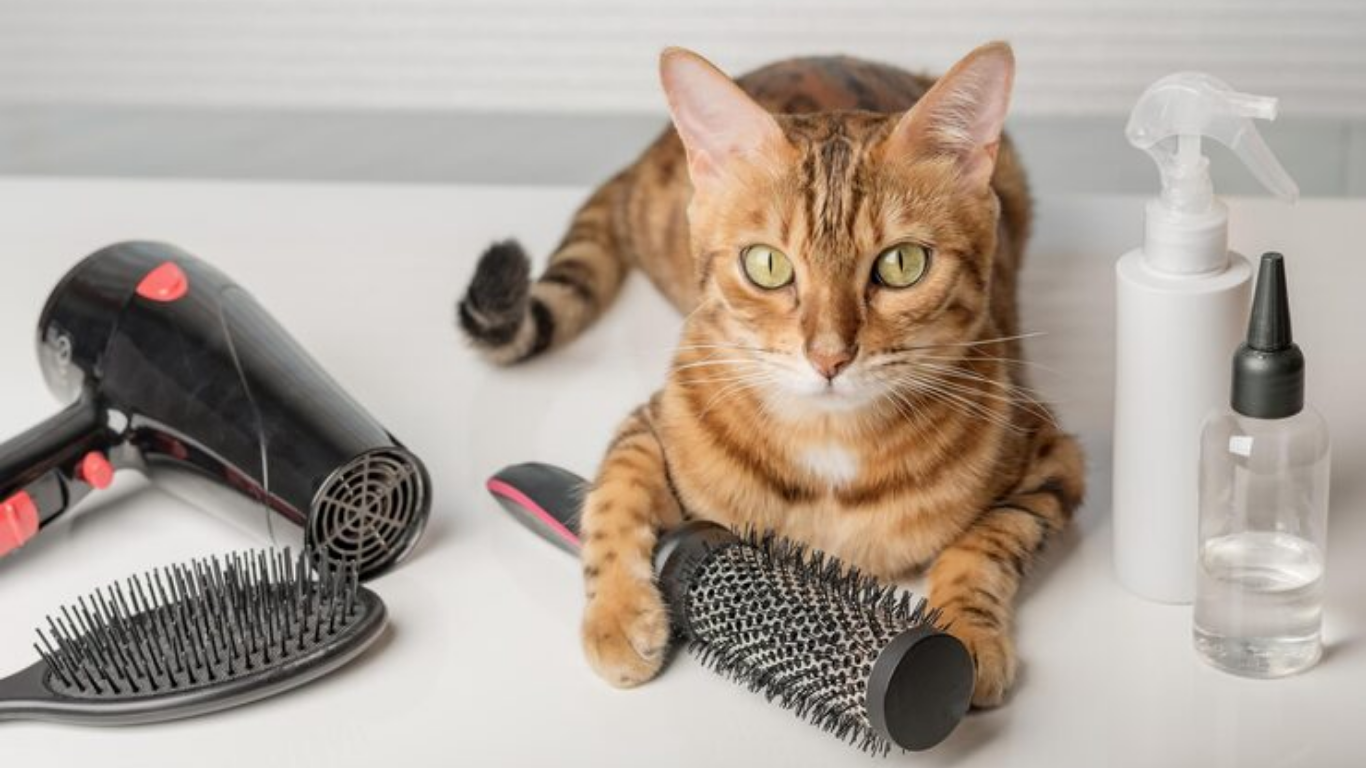
Keeping your cat looking and feeling their best goes beyond providing food and a cozy place to sleep. Proper grooming is a fundamental part of their overall health and happiness. With so many cat grooming tools on the market, it can be tough to know which ones are right for your feline friend. This guide will walk you through everything you need to know, from the essential tools every owner should have to how to use them safely and effectively. We’ll help you turn grooming time into a positive bonding experience for you and your cat.
For over a decade, we’ve helped cat owners navigate the world of pet care, and we understand that the right tools can make all the difference. This article combines our expertise with insights from veterinarians and professional groomers to provide a trusted resource for maintaining your cat’s coat and well-being.
Why Grooming is Essential for Your Cat’s Health and Happiness
Grooming is much more than a cosmetic task; it’s a crucial aspect of your cat’s health care. Regular grooming sessions help maintain the health of your cat’s coat and skin by distributing natural oils, which keeps their fur shiny and healthy. This process also helps you spot any underlying skin issues, lumps, or parasites like fleas and ticks before they become serious problems.
One of the most significant benefits of regular brushing is the reduction of shedding, matting, and hairballs. When you remove loose fur, you prevent it from ending up on your furniture and reduce the amount your cat ingests during self-grooming. Swallowed fur can lead to uncomfortable and sometimes dangerous hairballs. For long-haired cats, preventing mats is especially important, as tangled fur can pull on their skin, causing pain and even infections.
Expert Tip: Frequent and gentle grooming does more than just keep your cat healthy; it strengthens the bond between you. The physical contact and attention can be a comforting and enjoyable experience for your cat, reinforcing trust and affection.
Essential Cat Grooming Tools Every Owner Should Have
Building the perfect grooming kit starts with understanding the function of each tool. Here are the must-have items for any cat owner.
A slicker brush is excellent for long-haired cats. Its fine, short wires are designed to penetrate deep into the coat to remove tangles, mats, and loose undercoat fur without causing discomfort.
Deshedding tools are a game-changer for cats with a dense undercoat. These tools are specifically designed to remove a significant amount of loose hair from the undercoat, which is a major source of shedding. Using a deshedding tool once or twice a week during shedding season can dramatically reduce the amount of fur in your home.
Nail clippers are essential for keeping your cat’s claws at a safe length. Overgrown claws can get snagged on furniture or curve into the paw pad, causing pain and infection. Look for clippers designed specifically for cats, which come in scissor-style or guillotine-style designs.
A grooming comb, particularly a metal one, is great for finishing touches. It helps detangle small knots and smooth the coat after brushing, and it’s also useful for checking for fleas. For short-haired cats, a fine-toothed comb might be all you need for regular maintenance.
Grooming gloves offer a gentle alternative for cats who are sensitive to traditional brushes. These gloves have rubber nubs on the palms and fingers that collect loose hair as you pet your cat. They are perfect for short-haired breeds or for introducing a nervous cat to the grooming process.
For cats with very long fur or those prone to severe matting, electric trimmers or clippers may be necessary. These are best used with caution and are often handled by professional groomers, but with the right training, they can be a useful tool for at-home care.
Expert Tip: For a Maine Coon, a sturdy slicker brush and a long-toothed comb are indispensable for managing their thick, shaggy coat. For a sleek-coated Siamese, a grooming glove or a soft bristle brush is often sufficient.
Choosing the Right Tool for Your Cat’s Coat Type
Not all cat coats are the same, and using the right tool for your cat’s specific fur type is critical for effective grooming.
For long-haired cats like Persians or Maine Coons, a combination of tools is often necessary. Start with a slicker brush to work through tangles and remove loose fur from the undercoat. Follow up with a metal comb to address any remaining knots and to smooth out the coat. Regular grooming, even daily, is often required to prevent mats.
Short-haired cats, such as British Shorthairs or Siamese, have simpler grooming needs. A grooming glove or a rubber brush used once a week can effectively remove loose hair and keep their coat in great condition. A fine-toothed comb can also be used to check for fleas.
Kitten grooming requires an extra-gentle approach. Their skin is delicate, so use a soft brush or a grooming glove to get them accustomed to the sensation. Keep sessions short and positive, using treats and praise to build a good association with grooming from a young age.
Elderly cats may have more fragile skin and could be dealing with arthritis, making them less flexible for self-grooming. Use soft brushes and be gentle, paying close attention to their comfort. Senior cats are more prone to matting as their grooming habits decline, so they may need more frequent, gentle brushing.
Expert Tip: The grooming routine for a kitten should be about positive association. For an adult cat, it’s about maintenance. For a senior cat, it’s about assistance and comfort, helping them where they can no longer reach.
How to Properly Use Cat Grooming Tools
Using grooming tools correctly is vital for your cat’s safety and comfort. Always introduce new tools slowly. Let your cat sniff and investigate the tool before you begin.
When brushing, use gentle, short strokes in the direction of hair growth. Hold the skin taut when working on a tangle to avoid pulling. If you encounter a mat, never try to cut it out with scissors, as it’s very easy to cut the skin. Instead, try to gently tease it apart with your fingers or a comb. For severe mats, it’s safest to consult a professional groomer or veterinarian.
When trimming nails, press gently on the paw pad to extend the claw. Only trim the white, transparent tip of the nail, avoiding the pink part, which is the quick. Cutting the quick is painful and will cause bleeding. Start by trimming just one or two nails per session to get your cat used to the process.
Expert Tip: According to veterinary advice, make grooming sessions a positive experience with plenty of treats and praise. If your cat becomes stressed or agitated, it’s better to stop and try again later. Never force a grooming session.
Common Mistakes to Avoid While Grooming Your Cat
Even with the best intentions, grooming mistakes can happen. One common error is over-grooming, which can irritate your cat’s skin and cause bald patches or “barbering,” where the cat licks or chews its fur excessively. Stick to a regular schedule rather than brushing obsessively.
Another mistake is using the wrong tools. A harsh brush on a short-haired cat can be painful, while a soft brush won’t be effective on a long-haired cat’s dense undercoat. Always match the tool to the coat.
Finally, remember to clean your grooming tools regularly. Dirty brushes and combs can harbor bacteria and spread skin infections. Wash them with soap and water after each use and allow them to dry completely. This simple step is crucial for maintaining both your tools and your cat’s health.
Expert Tip: The risk of improper grooming isn’t just skin irritation. A bad experience can create a long-lasting fear of grooming, making future sessions a struggle for both of you. Patience and positive reinforcement are your best allies.
Best Cat Grooming Tools for Every Budget
You don’t need to spend a fortune to groom your cat effectively. There are excellent options available at every price point.
For budget-friendly care, a simple slicker brush and a metal comb can cover the basics for most cats. Brands like Hartz offer affordable yet effective tools that are perfect for everyday grooming.
If you’re looking for premium grooming tools, brands like Furminator and Chris Christensen offer professional-grade deshedding tools and brushes that provide exceptional results, especially for heavy shedders or show cats.
When considering a grooming kit versus individual tools, kits can offer great value for new owners by providing several essential tools in one package. However, purchasing tools individually allows you to select the best possible option for your cat’s specific needs, which can lead to better results in the long run.
Expert Tip: The best value isn’t always the cheapest tool. A high-quality brush that lasts for years and works effectively is a better investment than a cheap one that needs frequent replacement and doesn’t do the job well.
Where to Buy the Best Cat Grooming Tools
You can find a wide selection of cat grooming tools at various retailers. Online stores like Chewy, Amazon, and Petco offer a vast range of products, customer reviews, and competitive prices.
When shopping in-store at your local pet supply shop, you have the advantage of seeing and feeling the tools before you buy. Look for brushes with comfortable, ergonomic handles and bristles that are firm but have protected tips to prevent scratching the skin. High-quality tools will feel sturdy and well-made, while cheap imitations may have flimsy bristles or poorly constructed handles.
Expert Tip: Stick with trusted brands known for their quality and durability. While a no-name brand might be cheaper, investing in a reputable tool is often safer and more effective for your cat.
You should also read: “cat into pillow“
Nurture Your Bond with the Right Tools
Investing in the right set of cat grooming tools is an investment in your cat’s health, comfort, and happiness. A consistent grooming routine not only keeps their coat in pristine condition but also strengthens the special bond you share. By choosing tools appropriate for their coat and using them correctly, you can transform grooming from a chore into a cherished ritual.
Ready to build the perfect grooming kit for your cat? Explore our curated selection of expert-approved grooming tools to find everything you need for a healthy coat and a happy cat.
Frequently Asked Questions
What is the best brush for shedding in cats?
For heavy shedding, a deshedding tool like the Furminator is highly effective as it reaches the undercoat to remove a large amount of loose fur. For daily use, a slicker brush is also excellent for managing shedding, especially in long-haired cats.
How often should I groom my cat?
This depends on your cat’s coat. Long-haired cats should be brushed daily to prevent mats. Short-haired cats can be brushed once or twice a week. Increase frequency during shedding seasons (spring and fall).
Can I use human grooming tools on my cat?
No, it is not recommended. Human brushes are not designed for the density and texture of a cat’s coat and can be uncomfortable or ineffective. Human nail clippers can crush a cat’s claw rather than cutting it cleanly. Always use tools specifically designed for cats.
How do I stop my cat from hating grooming?
Start slow and make it a positive experience. Let your cat investigate the tools first. Begin with very short grooming sessions, offering treats and praise. Gradually increase the duration as they become more comfortable. Grooming when your cat is relaxed or sleepy can also help.