

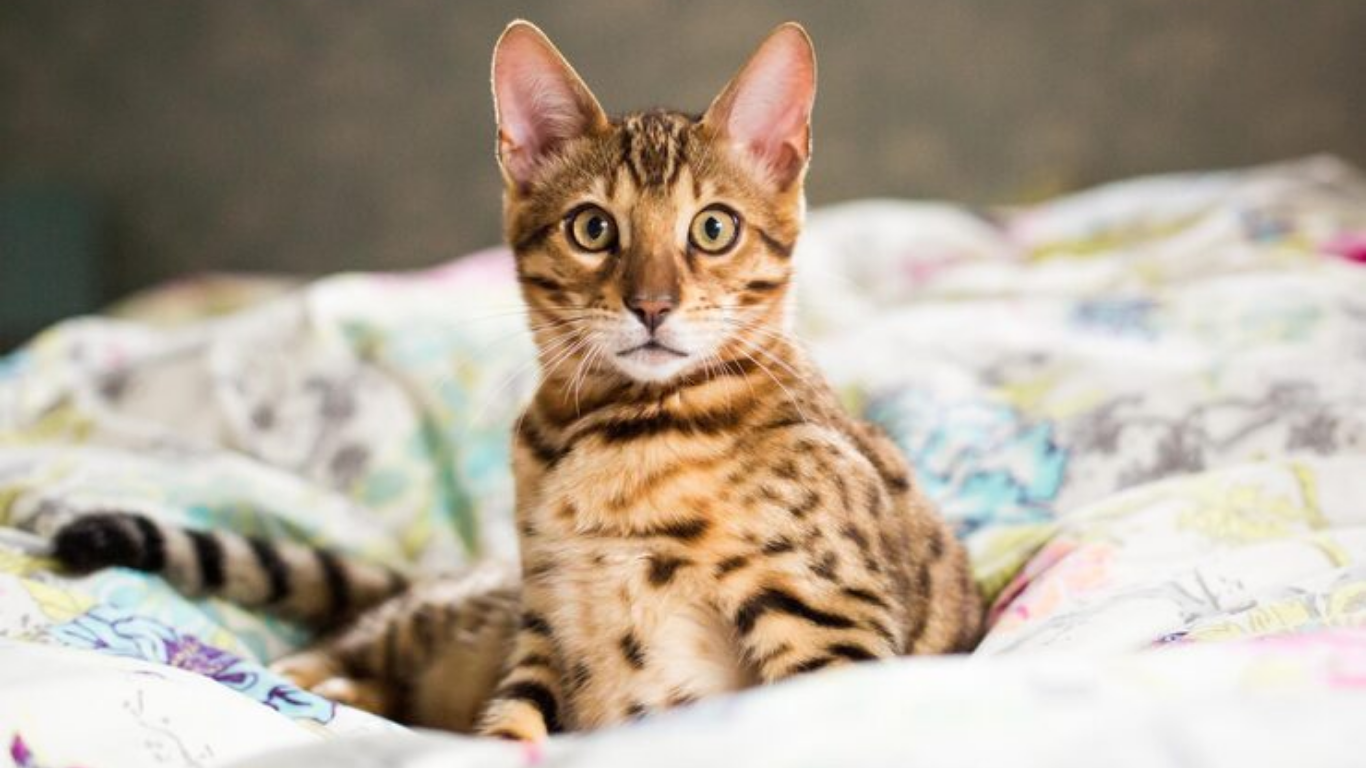
Bengal cats, with their striking wild-leopard appearance and playful, dog-like personalities, have captivated cat lovers worldwide. Their exotic look, a direct heritage from the Asian Leopard Cat, combined with a domestic temperament, makes them a unique and highly sought-after companion. However, this uniqueness comes at a price. If you’re considering adding one of these beautiful felines to your family, it’s essential to understand the full financial commitment. This guide will provide a detailed breakdown of the Bengal cat cost in 2025, from the initial purchase price to the long-term expenses of care.
Understanding the costs involved will help you budget appropriately and ensure you can provide a loving, stable, and healthy home for your new companion. We’ll explore what factors drive the price, what you can expect to pay for different types of Bengals, and the ongoing expenses that every prospective owner should anticipate.
What Affects the bengal cat cost?
The price of a Bengal cat isn’t arbitrary; it’s influenced by a combination of factors that reflect the quality, rarity, and care invested by the breeder. Understanding these elements will help you appreciate why some Bengal kittens cost more than others and what you should look for when making a purchase.
A primary driver of cost is the cat’s pedigree and bloodline. A Bengal with champion bloodlines, meaning its ancestors have won titles in cat shows, will command a higher price. The proximity to their wild Asian Leopard Cat ancestry, often denoted by “F-generation” (F1, F2, F3), also significantly impacts the price, with earlier generations being rarer and more expensive.
The age of the cat is another crucial factor. Bengal kittens are typically the most expensive, as they are in high demand. Adult cats, sometimes retired from a breeding program, are often available for a lower price. Adopting a Bengal from a rescue is another, more affordable option, though finding a purebred in a shelter can be rare.
Bengal’s color and pattern also play a significant role in its price. Standard colors like brown are more common, while rarer shades such as snow, silver, or charcoal can increase the cost. The intricacy of their markings matters, too. Bengals with large, well-defined, and high-contrast “rosetted” patterns, which closely resemble a leopard’s spots, are more desirable and therefore more expensive than those with simpler spotted or marbled coats.
Bengal Cat Cost Breakdown in 2025
When you start your search, you’ll find that Bengal cat prices fall into several distinct tiers. These prices reflect the cat’s potential as a pet, a show competitor, or part of a breeding program.
Pet-Quality Bengals: For those seeking a beautiful and loving companion, a pet-quality Bengal is the most common choice. In 2025, you can expect to pay between $1,500 and $2,500 for a pet-quality kitten. These cats are purebred Bengals but may have minor cosmetic “flaws” that prevent them from competing in shows, such as a marbled coat instead of rosettes or markings that aren’t perfectly symmetrical. They are sold with a contract that requires them to be spayed or neutered.
Show-Quality Bengals: If you’re interested in the world of cat shows, a show-quality Bengal is what you’ll need. These cats perfectly meet the breed standard set by organizations like The International Cat Association (TICA). Their pricing starts around $2,500 and can go up to $4,000 or more in 2025. Their markings, coloration, and conformation are considered ideal for competition.
Breed-Quality Bengals: Reserved for registered breeders, these cats have top-tier genetics and show potential, making them suitable for breeding. They are the most expensive, with prices typically ranging from $3,000 to $5,000+. Acquiring a Bengal with breeding rights is a serious commitment and is usually only granted to established and ethical catteries.
High-end Bengals with exceptionally rare colors or patterns can fetch even higher prices, sometimes exceeding $10,000, especially if they have a distinguished lineage.
Ongoing Costs of Owning a Bengal Cat
The initial purchase price is just the beginning. The lifetime costs of owning a Bengal cat are significant and should be factored into your budget.
Healthcare is a major ongoing expense. This includes routine annual vet check-ups, vaccinations, flea and tick prevention, and dental care. Spaying or neutering is often included in the breeder’s price, but if not, it can cost several hundred dollars. Bengals are also prone to certain genetic health issues, such as Hypertrophic Cardiomyopathy (HCM), a heart condition, and Progressive Retinal Atrophy (PRA), an eye disease. Responsible breeders screen for these conditions, but unexpected health problems can still arise, leading to costly vet bills.
Food is another key consideration. Bengals are active, muscular cats that thrive on a high-quality, protein-rich diet. Many owners opt for premium grain-free kibble, wet food, or even a raw food diet to meet their nutritional needs. This high-quality diet will cost more than standard cat food.
While their short, dense coat requires minimal grooming, you’ll still need basic supplies like brushes and nail clippers. More importantly, Bengals need significant mental and physical enrichment. They are highly intelligent and energetic cats that require plenty of toys, cat trees, scratching posts, and puzzle feeders to prevent boredom and destructive behavior.
Cheap vs. Expensive Bengals: What’s the Difference?
You might come across ads for “affordable Bengal cats” and wonder why you should pay thousands when a cheaper option is available. The difference between a well-bred, expensive Bengal and a cheap one is vast and often comes down to the health and well-being of the cat.
A low price is often a red flag for a backyard breeder or a kitten mill. These operations typically cut corners by skimping on health testing, proper nutrition, and socialization. While the upfront cost of buying a cheap Bengal may be lower, you risk incurring far greater long-term expenses due to genetic health issues that could have been prevented with responsible breeding practices.
Ethical breeders invest time and money to ensure their cats are healthy and well-tempered. The higher price tag reflects the quality of care, health guarantees, and the peace of mind that comes with knowing your cat was raised in a loving and professional environment.
What’s Included in the Price from a Breeder?
When you purchase a Bengal cat from a reputable breeder, the price typically includes more than just the kitten itself. Most Bengal breeder packages provide a comprehensive start for your new pet.
This often includes registration and documentation with a recognized cat fanciers’ association like TICA or the Cat Fanciers’ Association (CFA), which certifies the cat’s pedigree. The kitten will have received its initial set of vaccinations, been dewormed, and microchipped. Most breeders also provide a health guarantee for a set period, protecting you against congenital defects. For pet-quality kittens, the cost of spaying or neutering is frequently included in the purchase price to ensure they do not contribute to unplanned breeding.
Is a Bengal Cat Worth the High Cost?
For the right person, a Bengal cat is absolutely worth the price. Their cost is justified by their many unique and rewarding qualities.
Their temperament is a major draw. Bengals are known for being intelligent, curious, and incredibly active. They form strong bonds with their families and often enjoy interactive games like fetch. Their playful and affectionate nature makes them a joy to have around.
Of course, their stunning, unique appearance is a primary reason for their popularity. Owning a cat that looks like a miniature leopard is a special experience. Their exotic coats are not just beautiful but also feel incredibly soft, often described as feeling like silk.
Finally, Bengal cats offer long-term companionship. With a lifespan of 12 to 15 years or more, the initial investment translates into over a decade of love, entertainment, and friendship.
How to Find a Reputable Bengal Breeder
Finding an ethical breeder is the most important step in your journey to owning a Bengal. Here is a checklist to help you identify a reputable breeder:
- Ask for Health Clearances: A responsible breeder will openly share results from genetic tests, including screenings for HCM and PRA.
- Check Breeder Reviews and References: Look for testimonials from previous buyers and ask for references.
- Visit the Cattery: If possible, visit the breeder’s home or facility to see the conditions where the cats are raised. The environment should be clean, spacious, and enriching.
- Inquire About Support: Good breeders offer a lifetime of support and will be available to answer questions long after you take your kitten home.
- Review the Contract: Read the sales contract carefully. It should outline the health guarantee, spay/neuter requirements, and return policy.
You would also like: “salty licorice cat“
Your Path to Owning a Bengal
The Bengal cat cost in 2025 reflects the breed’s rarity, beauty, and the extensive care required to raise healthy, well-socialized kittens. While the initial investment is significant, the rewards of sharing your life with one of these intelligent and affectionate cats are immeasurable. By doing thorough research and choosing a reputable breeder, you can ensure your new family member is happy, healthy, and a wonderful companion for years to come.
Frequently Asked Questions
1. How much is a Bengal cat cost in 2025?
In 2025, a pet-quality Bengal cat typically costs between $1,500 and $2,500. Show-quality Bengals can range from $2,500 to $4,000, while cats with breeding rights can cost $3,000 to $5,000 or more.
2. Are Bengal cats high-maintenance?
Bengal cats are high-maintenance in terms of their need for mental and physical stimulation. They require a lot of playtime and enrichment to stay happy. Their grooming needs, however, are low due to their short coats.
3. Do Bengal cats have a lot of health problems?
Bengal cats are generally a healthy breed, but they are prone to certain genetic conditions like Hypertrophic Cardiomyopathy (HCM) and Progressive Retinal Atrophy (PRA). Purchasing from a reputable breeder who screens for these diseases can significantly reduce the risk of health issues.
4. Why are Bengal cats so expensive?
Bengal cats are expensive due to their rarity, the cost of responsible breeding (including health testing, high-quality food, and socialization), their desirable wild appearance, and their unique, intelligent personalities.
5. Can you find a Bengal cat at a shelter?
While it’s possible to find a Bengal or Bengal mix at a shelter, it is quite rare. If you do, the adoption fee will be significantly lower than purchasing from a breeder, typically a few hundred dollars.